-
Music making as a “Fountain of Youth,” pt. 4
It’s long past time to get to the fourth and final installment of the series about “making music as a fountain of youth.” So here we are. This series has been stretched out over several months, so you may want to go back to reread the first and third posts. But to give a short
-
Music making as a “fountain of youth,” part 3
What if practicing the piano (or another instrument) helped your brain to remain healthy longer in life? Well, in fact, it may do exactly that. Some of the most exciting brain and music research in the past few years shows that older adults who have never had any music lessons show neuroplastic changes in areas
-
Fountain of youth, part 2
Thanks to reader Adrienne Roth, whose comment about the previous post, “Might music making be a fountain of youth?” precipitated today’s post. Adrienne wondered whether “those who love music and read nonstop and continually challenge themselves in art skills have equal opportunity to keep their cognitive skills?” The short answer is “yes!” There are many
-
Might making music be a “fountain of youth?”
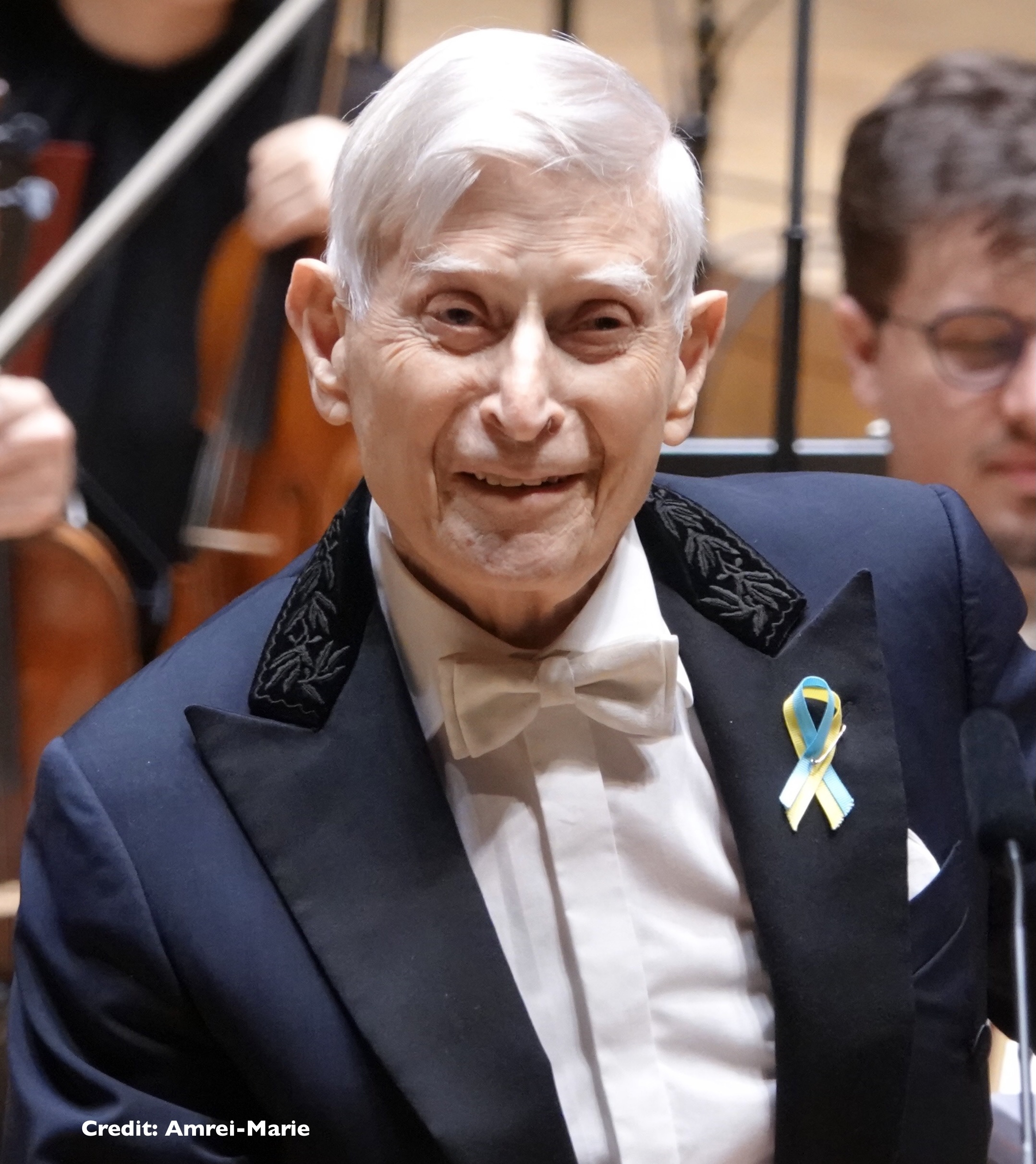
Have you ever wondered why so many conductors and pianists continue to perform well into their 80s and 90s? The Swedish-American conductor Herbert Blomstedt (photo at right) is 98, but you wouldn’t know it by his concert schedule. The number of performances on his calendar over the next few months would be the envy of
-
The Musical Brain wins award
I’m excited to announce that my book The Musical Brain: what students, teachers, and performers need to know has won a 2024 ASCAP Foundation Deems Taylor/Virgil Thomson book award. Sometimes this award is won by first-time authors as I am; it has also been awarded to well-known authors such as Oliver Sacks for Musicophilia: Tales
-
Musicians, Ninjas, and Neuroplasticity
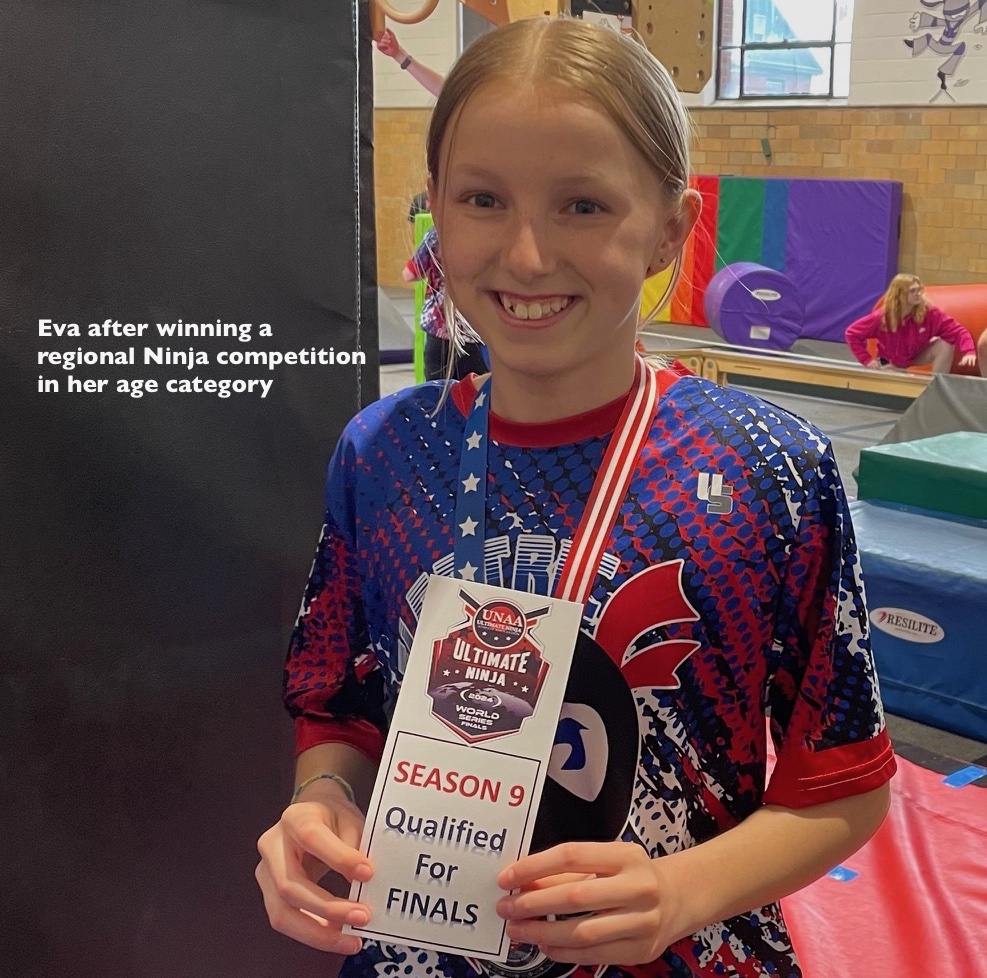
Ninjas and musicians don’t seem to have much in common, although they both spend a lot of time practicing. But I began to think about the differences in performance in the two disciplines after I was introduced to the sport by my 12-year-old niece, Eva Fornwalt, who has been practicing ninja for the past couple